Drums
The engine room — the rhythmic foundation everything else is built on.
Playing Techniques
- Basic Rock Beat — Kick on 1 and 3, snare on 2 and 4, steady hi-hat. The backbone of rock and pop.
- Fills — Short transitional passages at the end of phrases that mark structural changes.
- Ghost Notes — Very quiet snare hits that add texture and groove without drawing attention.
- Open vs Closed Hi-Hat — Closed = tight click; open = splashy, energetic. Switching between them shapes the groove.
- Snare Techniques — Flams, side-stick or rim shot, snare rolls for different textures.
- Timing Feel — Double time or half time feel changes the perceived energy dramatically.
- The Shuffle — Swung, uneven subdivisions creating a rolling, laid-back feel. Common in blues and classic rock.
- Dynamics — Pulling back in the verse and unleashing in the chorus creates enormous emotional impact.
Creating Tone
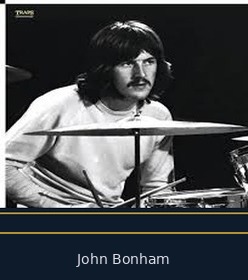
Tone comes from tuning (tighter = higher pitch), dampening (towels or gel pads reduce ring), and the room. John Bonham recorded When the Levee Breaks in a stone stairwell for his famous cavernous drum sound. The type and size of snare, toms, bass drum, and cymbals all dramatically affect the character of the kit.
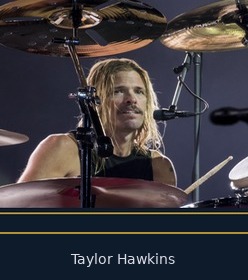
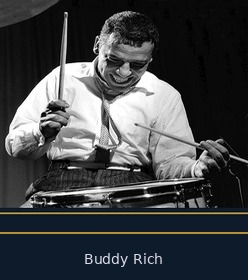
Notable Drummers
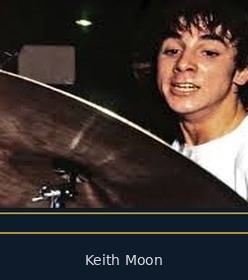
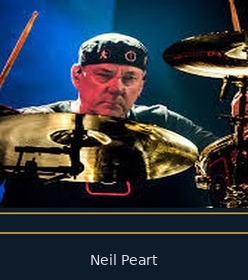
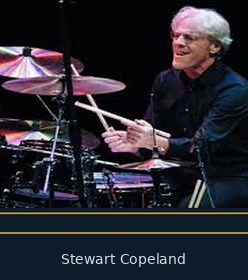
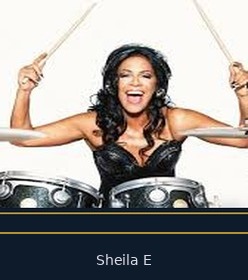

Bass Guitar
Connecting rhythm to harmony — the glue that holds the band together.
Playing Techniques
- Fingerstyle — Index and middle fingers alternating; warm, rounded tone. Standard for most rock and pop.
- Pick Playing — Brighter, more aggressive, more defined. Common in punk and hard rock.
- Slap and Pop — Thumb slaps low strings; index finger "pops" high strings. Percussive, funky snap. Flea's signature technique.
- Slides — Sliding between notes for smoothness or emphasis.
- Walking Bass Lines — Moving stepwise through chord changes, connecting harmonies. Central to jazz and blues.
- Root-Fifth Patterns — Alternating between root and fifth of each chord. Strong, driving feel in rock.
- Chromatic & Passing Notes — Approaching chord tones chromatically or by step, creating melodic bass lines.
Creating Tone
Passive pickups = warmer, more natural. Active pickups = brighter, more control. Playing near the neck = warm and round; near the bridge = bright and defined. Bass guitars also use effects pedals — compression, overdrive — to shape their character in the mix.
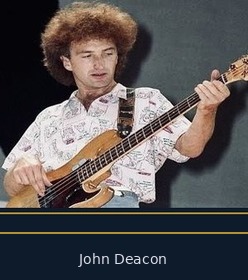
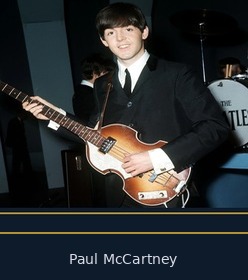
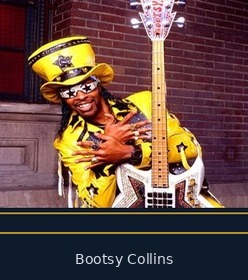
Notable Bass Players




Guitar
The voice of rock — from delicate arpeggios to face-melting solos.
Playing Techniques
- Power Chords — Root and fifth only — no third. Sounds powerful with distortion. The foundation of rock rhythm guitar.
- Palm Muting — Resting the picking hand on strings near the bridge creates a tight, chunky "chug" sound.
- String Bending — Pushing a string sideways to raise the pitch. Creates a vocal, expressive quality.
- Vibrato — Rapid pitch oscillation on a sustained note. Adds warmth and expression.
- Hammer-ons & Pull-offs — Sounding notes using finger movements rather than picking — enables fast, smooth legato runs.
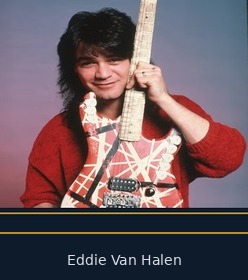
- Tapping (Two-Hand) — The picking hand taps the fretboard to create fast, wide-interval passages. Associated with Eddie Van Halen.
- Fingerpicking / Arpeggio — Plucking individual strings to outline chords. Common in ballads and acoustic playing.
- Whammy Bar — Vibrato arm on the bridge; can create dive bombs, subtle vibrato, or dramatic pitch drops.
Creating Tone
Tone = guitar body + pickups + amplifier + effects. Single-coil pickups (Stratocaster) = bright, clear, with slight hum. Humbuckers (Les Paul) = warm, thick, full. Distortion and overdrive pedals add harmonic saturation and sustain. Reverb, delay, and chorus add space and texture.
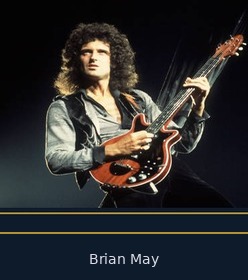
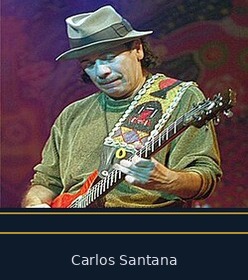
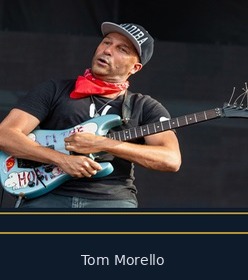
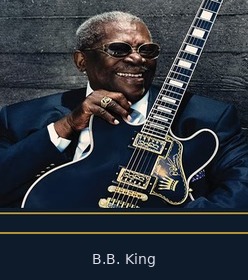
Notable Guitarists

Piano & Keyboards
The most harmonically complete instrument — equally at home supporting, leading, or filling the entire sonic space.
Playing Techniques
- Block Chords — All notes of a chord played simultaneously. Creates fullness and power.
- Arpeggios — Chord tones played one at a time in sequence. Creates movement and texture.
- Sustained Chords — Holding notes with the sustain pedal creates a rich, blended texture.
- Octave Playing — Playing the same note in two octaves simultaneously — adds weight and presence.
- Comping — Jazz technique: playing rhythmically varied chord voicings behind a soloist, leaving space.
- Boogie-Woogie — Rhythmic left-hand bass pattern while the right hand plays melody or improvises. Roots of rock & roll piano.
- Countermelody — Playing a secondary melodic line against the main melody. Adds depth and interest.
Creating Tone
Touch sensitivity is everything on piano — harder attack = brighter, louder; lighter touch = softer, more intimate. Electric pianos (Rhodes, Wurlitzer) have a warm, trembling quality suited to soul and jazz. Organ (Hammond) produces sustained, harmonically rich chords that never decay.
Notable Players

Synthesizer
Sound design as composition — from warm analogue pads to cutting-edge digital textures.
Core Concepts
- Oscillators — Generate the raw waveform (sine, square, sawtooth, triangle). The starting point of all synth sounds.
- Filters — Shape the frequency content. A low-pass filter removes high frequencies to create warmth; high-pass removes lows for brightness.
- ADSR Envelope — Attack (how fast the sound starts), Decay (how it falls from peak), Sustain (the held level), Release (how long it fades after key release).
- LFO (Low Frequency Oscillator) — Creates vibrato, tremolo, or the rhythmic "wobble" of dubstep bass by slowly modulating a parameter.
- Pads — Slow-attack sustained chords creating texture and atmosphere. Common in pop ballads and film scores.
- Leads — Bright, cutting synth sounds that carry melody or hooks.
- Bass Synth / 808 — Punchy, sub-heavy bass tones central to hip hop, electronic music, and modern pop.
Creating Tone
Analogue synths (Moog, Prophet) have a characteristic warmth and imperfection. Digital synths (Yamaha DX7) offer clean, precise tones. The DX7's electric piano sound defines 1980s pop. Synthesis is entirely about understanding how waveforms, filters, and envelopes interact.
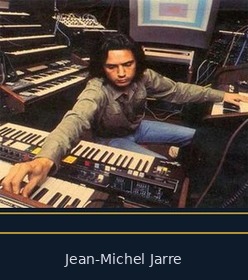
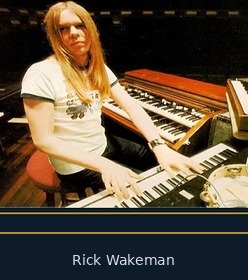
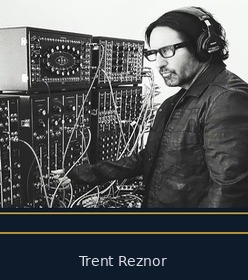
Notable Artists
Voice
The most expressive instrument of all — every nuance of emotion expressed through breath and body.
Vocal Techniques
- Chest Voice — Full, resonant, powerful. Used for lower-to-mid range singing. The dominant tone in pop and rock.
- Falsetto — A light, breathy register produced by only the edges of the vocal cords vibrating. Higher pitch, less power — creates vulnerability or sweetness.
- Belting — Singing powerfully in chest voice at high range. Raw and emotionally intense — central to rock and soul.
- Melisma — Singing multiple notes on a single syllable — the "runs" of gospel, soul, and R&B. Displays vocal agility and emotion.
- Vibrato — A gentle pitch oscillation on sustained notes. Adds warmth and control.
- Growl / Rasp — Deliberate distortion of the voice for raw, intense expression. Used in rock, metal, and blues.
- Ad Libs — Improvised vocal phrases layered over the main melody — especially common in R&B and gospel.
- Breath Control — Managing air flow for long phrases, dynamics, and tone quality.
Creating Tone
Vocal tone is shaped by: register (chest/head/mixed), placement (forward vs back), vowel shaping, mouth opening, and use of vibrato. Studio processing — compression, reverb, delay, pitch correction — also significantly shapes how vocals sound in recordings. Compare the intimacy of close-mic'd breathy vocals to the power of a live belted performance.
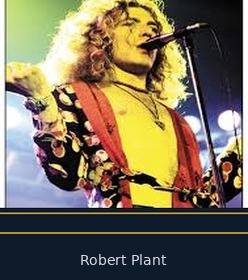
Notable Vocalists
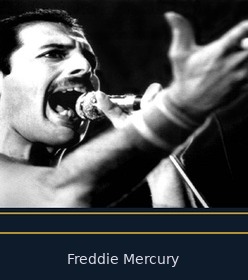

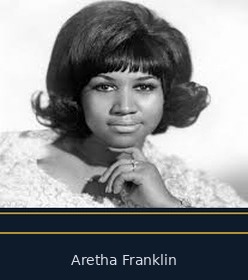

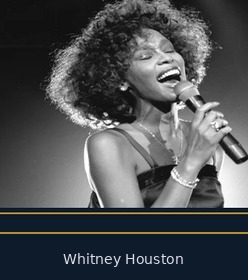

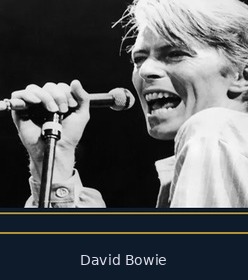
Saxophone
The most vocal of all wind instruments — capable of warmth, aggression, and everything in between.
Playing Techniques
- Legato vs Staccato — Smooth, connected phrases vs short, detached notes. Dramatically changes the feel of a line.
- Vibrato — Pitch oscillation on sustained notes using embouchure or diaphragm control. Adds warmth and vocal quality.
- Growl / Multiphonics — Singing into the saxophone while playing creates a gritty, distorted growl used in jazz and R&B.
- Bending — Lowering pitch by loosening embouchure. Creates a blues-influenced, sliding quality.
- Altissimo — Playing notes above the normal range using overblowing and special fingerings. Used in advanced jazz improvisation.
- Tonguing — Different articulation styles: single tonguing (one note), double tonguing (fast passages), flutter tonguing (rapid "trrrr" sound).
Creating Tone
Tone is shaped by the reed hardness (softer = easier to play, darker; harder = more resistance, brighter), mouthpiece design, and embouchure (the shaping of the mouth and lips around the mouthpiece). Alto saxophone has a bright, cutting tone; tenor is warmer and fuller; baritone has a rich, powerful low-end presence.
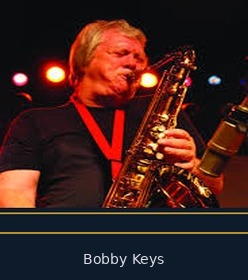
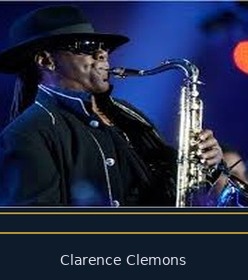
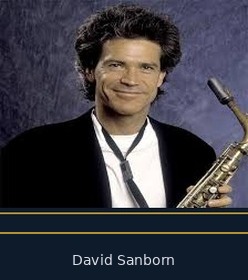
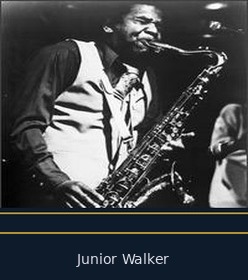
Notable Saxophonists
Horn Section
Punch, power, and precision — the horn section transforms a groove into something irresistible.
Typical Lineup
A standard horn section includes trumpet, trombone, and saxophone (alto or tenor). Larger sections may include multiple trumpets, French horn, baritone sax, or flugelhorn. In soul, funk, and jazz, the horn section acts almost as a percussion instrument — rhythmically precise and punchy.
Playing Techniques
- Stabs — Short, sharp, rhythmically placed chords. The signature of funk and soul. Incredibly precise — all players hit together.
- Riffs — Repeated melodic phrases that lock in with the groove. Foundational to James Brown-style funk.
- Soli — All horns playing a harmonised melody together. Creates a thick, powerful sound.
- Mutes — Inserting a mute into the bell changes tone dramatically. Cup mute = warm and muffled; Harmon mute = tight, buzzy (Miles Davis).
- Falls and Doits — Bending pitch downward (fall) or upward (doit) at the end of a note. Adds expression and character.
- Shakes / Trills — Rapid alternation between two notes. Creates excitement, especially at climactic moments.
Creating Tone
Tone varies enormously between instruments: trumpet is bright and cutting; trombone is warm and full-bodied; French horn is mellow and round. The key to a great horn section is blend — players adjusting their individual tone to lock with each other as a unified voice.
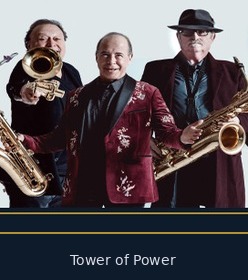
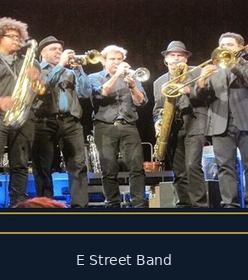
Notable Examples